
In this section, we’ll cover practical strategies for supporting digestion, timing your meals, and avoiding foods that could interfere with your progress. Plus, you’ll get access to a GLP-1-friendly meal plan created to work with your new metabolism, not against it.
Prebiotic and Probiotic Foods for Gut Health
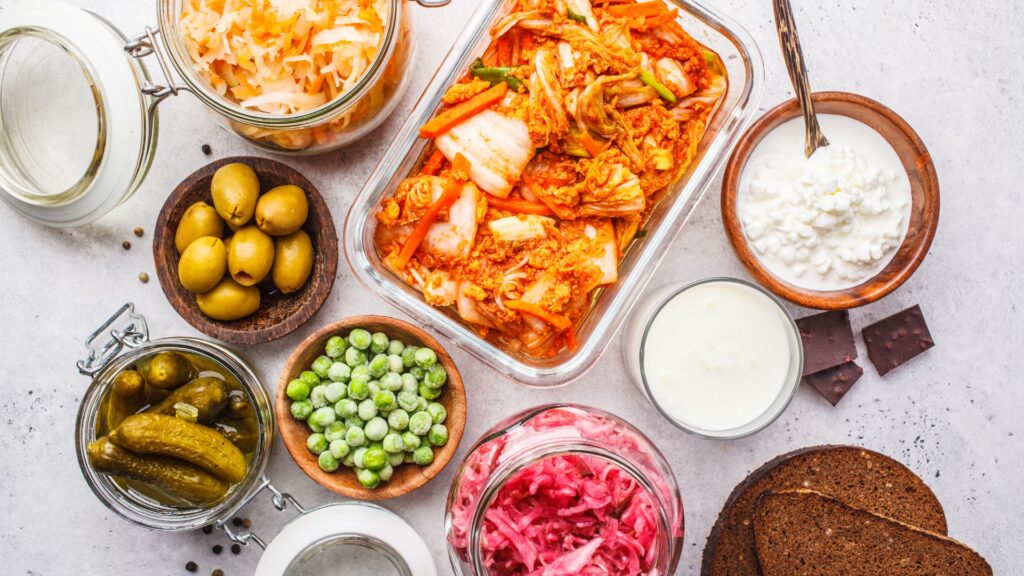
New research talks about a potential link between the gut bacteria and the effectiveness of GLP-1 therapies. One study suggests that a balanced and healthy composition of gut bacteria might be necessary for the body to respond optimally to GLP-1 medications, while an imbalance (dysbiosis) could contribute to GLP-1 resistance. This means that maintaining a healthy gut is especially important on these medications
Best gut-supporting foods:
- Probiotic-rich: Plain yogurt, kefir, sauerkraut, kimchi
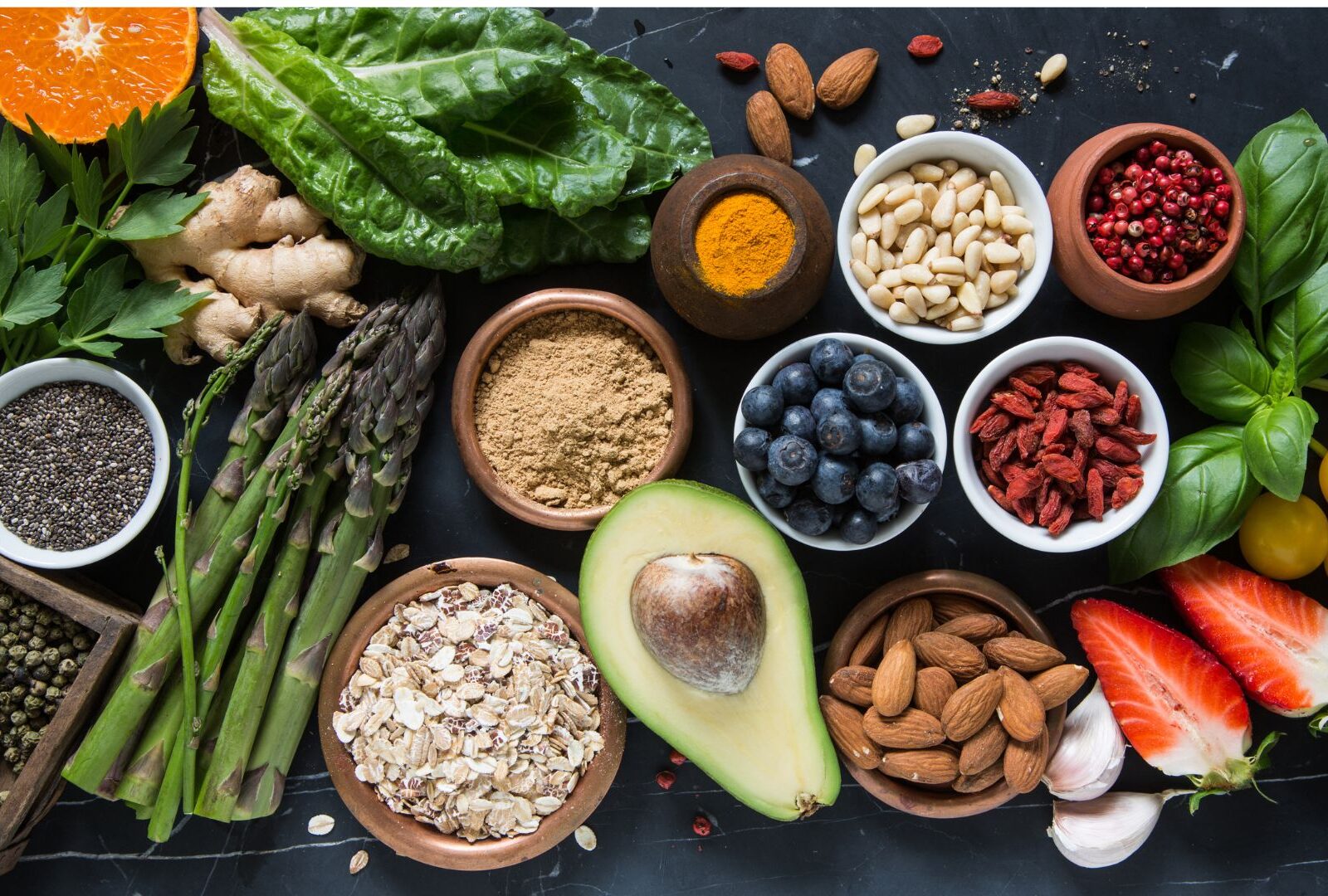
- Prebiotic-rich: Garlic, onions, leeks, asparagus, slightly green bananas
- Fibre-rich: Chia seeds, flaxseeds, psyllium
Sample gut-friendly combinations:
- Morning Gut Health Parfait: Plain Greek yogurt topped with berries and 1 tablespoon ground flaxseed
- Prebiotic Side Dish: Roasted asparagus, garlic, and leeks drizzled with olive oil
- Probiotic Power Snack: Small bowl of kimchi with a hard-boiled egg
Pro tip: If you’re new to fermented foods, start with small amounts to allow your system to adjust.
Hydration for Digestion & Energy
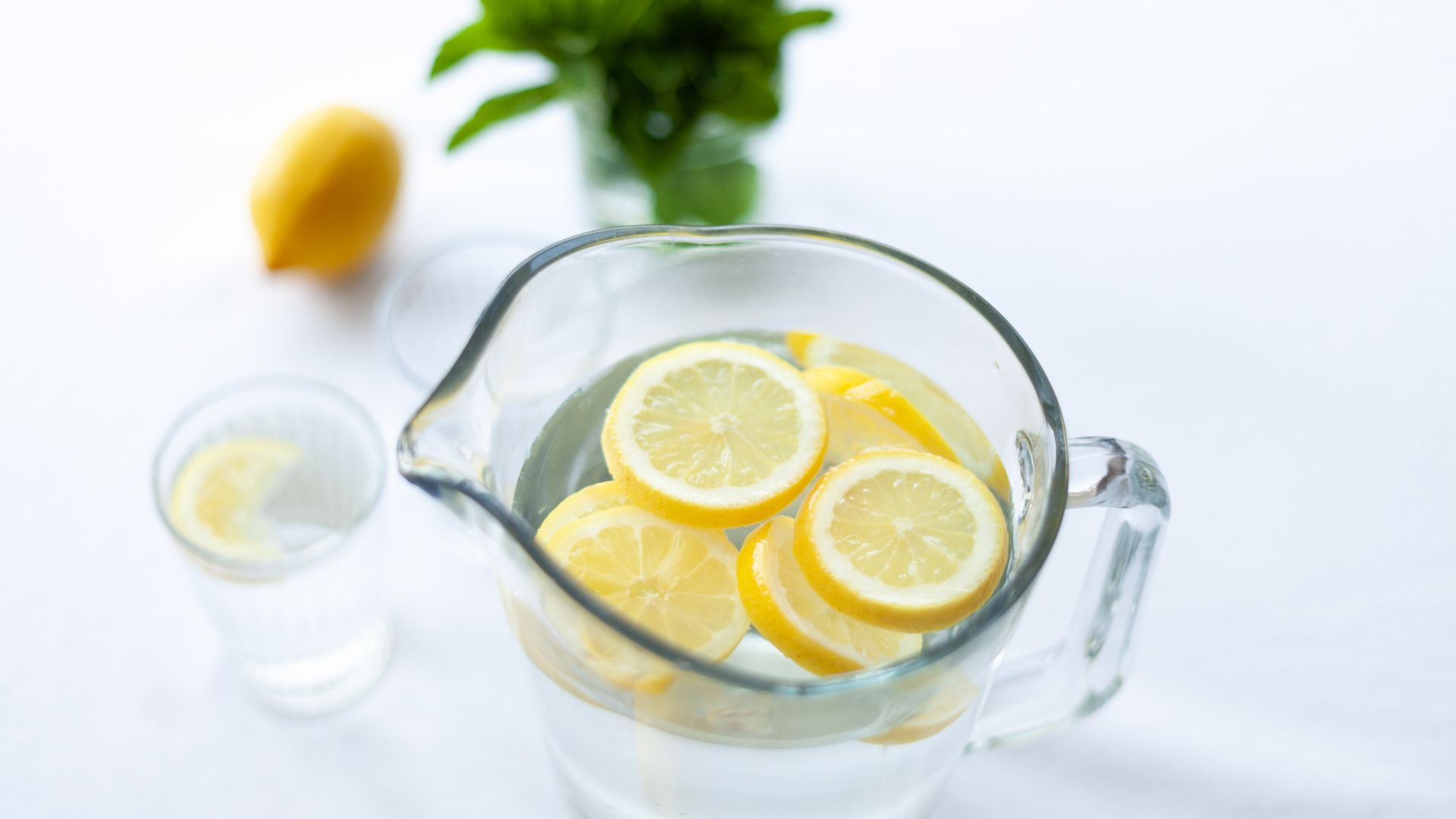
Proper hydration becomes even more crucial when taking GLP-1s, as dehydration can worsen constipation and fatigue.
Best hydration sources:
- Water (aim for at least 64oz daily)
- Herbal teas (ginger, peppermint, chamomile)
- Infused waters (cucumber, lemon, berries)
- Hydrating foods (cucumber, celery, watermelon)
- Electrolyte-enhanced water, if needed
Hydration strategies:
- Begin each morning with 16oz of water
- Drink between rather than during meals
- Set reminders or use a marked water bottle to track intake
- Consider electrolyte supplements if experiencing fatigue
Pro tip: Many people mistake mild dehydration for hunger. Before reaching for a snack, try drinking 8oz of water and waiting 15 minutes.
When to Eat While Taking GLP-1 Medications
When you eat can be almost as important as what you eat when taking GLP-1 medications.
Effective meal timing approaches:
- Mini-meal approach: 4-5 smaller meals spaced throughout the day
- Protein-first eating: Start each meal with protein before other components
- Morning loading: Emphasize nutrition early in the day when nausea may be less severe
- Medication timing: For some, eating main meals when medication effects are less pronounced can improve comfort
Sample timing strategy:
- Early morning: Protein shake or high-protein yogurt (7-8am)
- Late morning: Small protein rich meal (10-11am)
- Early afternoon: Main meal with balanced macronutrients (1-2pm)
- Afternoon: Protein-rich snack (3-4pm)
- Evening: Light, easy-to-digest dinner (6-7pm)
Pro tip: Find your personal pattern of medication effects and adapt your eating schedule accordingly—some people feel best eating more frequently, while others prefer fewer, strategic meals.
What to Avoid (or Limit)
Just as important as what to eat is understanding what to avoid when taking GLP-1 medications. With slowed digestion and greater sensitivity to certain foods, your body may react differently now to foods you previously tolerated well.
Here’s what to minimize or eliminate for best results and to avoid the potential side effects:
Refined Carbs & Sugary Foods
These foods can cause blood sugar spikes followed by crashes, counteracting some of the metabolic benefits of your medication.
Foods to limit or avoid:
- White bread, rolls, and wraps
- Pastries, donuts, and cookies
- Candy and chocolate bars
- Sugary cereals
- White rice and regular pasta
- Sweetened beverages (including juice)
- “Low-fat” products, which are often high in added sugars
Why it matters: While GLP-1s help control blood sugar, they work best when not constantly challenged by sugar loads. Additionally, with limited appetite, “spending” your calories on nutrient-poor choices means missing out on essential nutrition.
Better alternatives:
- Swap white bread for small portions of whole grain or protein bread
- Replace pastries with Greek yogurt topped with berries and nuts
- Choose dark chocolate (70%+ cacao) in small amounts instead of milk chocolate
- Try cauliflower rice or shirataki noodles instead of traditional grains
Fried & Highly Processed Foods
These foods are not only calorie-dense with minimal nutrition, but they can also significantly worsen digestive discomfort on GLP-1 medications.
Foods to limit or avoid:
- Fast food meals
- Deep-fried anything (French fries, fried chicken, etc.)
- Processed meats (hot dogs, bologna, certain deli meats)
- Packaged snack foods (chips, cheese puffs)
- Frozen meals are high in sodium and additives
- Processed vegetable oils (corn, soybean, “vegetable oil”)
Why it matters: These foods are often low in nutritional value and can intensify digestive discomfort when you’re taking GLP-1 medications. Because GLP-1s slow down how quickly food leaves the stomach, greasy or processed meals tend to sit longer and can increase the risk of nausea, bloating, and reflux. Many patients report that greasy foods that once caused minimal issues now trigger significant nausea or reflux.
Better alternatives:
- Air-fried or baked versions of favourite foods
- Homemade versions of fast food favourites using quality ingredients
- Simple snacks like nuts, cut vegetables, or Greek yogurt
- Meals prepared with olive oil instead of processed oils
GI Trigger Foods
Certain foods are particularly problematic with the digestive changes caused by GLP-1 medications.
Common trigger foods:
- Spicy foods, especially those with hot peppers
- Acidic foods (tomato sauce, citrus in large amounts)
- Chocolate (particularly milk chocolate)
- Mint (including peppermint and spearmint)
- Garlic and onions in large amounts
- Very fatty or rich foods
- Coffee (especially on an empty stomach)
Why it matters: These foods may trigger or worsen reflux, nausea, and other GI symptoms that are already common side effects of GLP-1 medications.
Better alternatives:
- Use herbs instead of spicy peppers for flavour
- Try small amounts of lower-acid fruits like berries
- Dilute acidic ingredients in recipes
- Switch to herbal teas rather than mint or coffee
Alcohol & Carbonation
Both alcohol and carbonated beverages deserve special caution when taking GLP-1 medications.
Why limit alcohol?
- May increase the risk of hypoglycemia when combined with GLP-1s
- More potent effect due to slowed stomach emptying
- Empty calories that displace nutritious foods
- Can worsen dehydration and GI symptoms
- May increase appetite in some people
Why limit carbonation?
- Can increase bloating and gastric pressure
- May trigger or worsen reflux symptoms
- Often comes with added sugars or artificial sweeteners
Better alternatives:
- Infused still water with fruits or herbs
- Herbal teas (hot or iced)
- Very diluted fruit juice with sparkling water if carbonation is desired
- Non-alcoholic “mocktails” made with fresh ingredients
Overeating (Even Healthy Foods)
Surprisingly, overeating, even nutritious foods, can be problematic when taking GLP-1 medications.
Why it matters:
- With slowed digestion, your stomach takes longer to empty, making large meals particularly uncomfortable
- Your calorie needs may be lower than before medication
- Eating past comfortable fullness can trigger nausea and vomiting
Prevention strategies:
- Use smaller plates and bowls
- Pause halfway through meals to assess hunger
- Eat mindfully and chew thoroughly
- Stop at “satisfied” rather than “full”
- Wait 20 minutes before taking second helpings
- Package leftovers immediately after serving your portion
Remember: GLP-1s make it easier to eat less, but mindful eating is still important. Many patients benefit from setting a phone timer to eat slowly over 20 minutes, rather than quickly consuming meals.

The right approach is not about radical restriction but making strategic choices that work with your medication rather than against it.
In the next section, we’ll bring all this information together into a practical, easy-to-follow, done-for-you meal plan.
A Smarter Way to Eat on GLP-1 Medications
You don’t need to guess your way through meals or rely on willpower alone. My 7-Day (or 21-Day) GLP-1 Support Meal Plan was created to work with your medication, not against it, helping you feel nourished, energized, and in control.
Here’s what makes it different:
✅ Protein-focused meals to preserve muscle and support metabolism
✅ Low-glycemic, high-fibre ingredients for blood sugar stability and digestive comfort
✅ Practical recipes designed to reduce side effects like nausea or reflux
✅ Simple, satisfying, and easy to prep—because life is busy enough
Whether you’ve just started your GLP-1 journey or need help getting back on track, this plan offers real structure with real food—no gimmicks.
Ready to Take the Next Step?
Download the 7-Day (or 21-Day) GLP-1 Meal Plan and get:
- Weekly menu of balanced meals and snacks
- A done-for-you grocery list
- Step-by-step prep guide to make your week easier
- Nutritionist-backed guidance tailored to GLP-1 success
Final Thoughts
GLP-1 medications are powerful tools, but they work best when paired with a smart nutrition strategy. With the right meals, you can feel better, stay energized, and build habits that last long after the meds are gone.
You’ve got this and if you have a question, need additional support, or would like a personalized meal plan? Leave a comment or reach out!
References
GLP-1 Medication Effectiveness & Mechanisms
- Wilding JPH, Batterham RL, Calanna S, et al. Once-Weekly Semaglutide in Adults with Overweight or Obesity. N Engl J Med. 2021;384(11):989-1002. doi:10.1056/NEJMoa2032183
- Jastreboff AM, Aronne LJ, Ahmad NN, et al. Tirzepatide Once Weekly for the Treatment of Obesity. N Engl J Med. 2022;387(3):205-216. doi:10.1056/NEJMoa2206038
- Müller TD, Finan B, Bloom SR, et al. Glucagon-like peptide 1 (GLP-1). Mol Metab. 2019;30:72-130. doi:10.1016/j.molmet.2019.09.01
- Blundell J, Finlayson G, Axelsen M, et al. Effects of once-weekly semaglutide on appetite, energy intake, control of eating, food preference and body weight in subjects with obesity. Diabetes Obes Metab. 2017;19(9):1242-1251. doi:10.1111/dom.12932
Muscle Preservation & Protein Needs
- Koliaki C, Liatis S, le Roux CW, Kokkinos A. The role of bariatric surgery to treat diabetes: current challenges and perspectives. BMC Endocr Disord. 2017;17(1):50. doi:10.1186/s12902-017-0202-6
- Lundgren JR, Janus C, Jensen SBK, et al. Healthy Weight Loss Maintenance with Exercise, Liraglutide, or Both Combined. N Engl J Med. 2021;384(18):1719-1730. doi:10.1056/NEJMoa2028198
- Stokes T, Hector AJ, Morton RW, McGlory C, Phillips SM. Recent Perspectives Regarding the Role of Dietary Protein for the Promotion of Muscle Hypertrophy with Resistance Exercise Training. Nutrients. 2018;10(2):180. doi:10.3390/nu10020180
- Carbone JW, Pasiakos SM. Dietary Protein and Muscle Mass: Translating Science to Application and Health Benefit. Nutrients. 2019;11(5):1136. doi:10.3390/nu11051136
Nutritional Considerations & Side Effect Management
- Brown E, Wilding JPH, Barber TM, Alam U, Cuthbertson DJ. Weight loss variability with SGLT2 inhibitors and GLP-1 receptor agonists in type 2 diabetes mellitus and obesity: Mechanistic possibilities. Obes Rev. 2019;20(6):816-828. doi:10.1111/obr.12841
- Blundell J, Finlayson G, Axelsen M, et al. Effects of once-weekly semaglutide on appetite, energy intake, control of eating, food preference and body weight in subjects with obesity. Diabetes Obes Metab. 2017;19(9):1242-1251. doi:10.1111/dom.12932
- Garvey WT, Mechanick JI, Brett EM, et al. American Association of Clinical Endocrinologists and American College of Endocrinology Comprehensive Clinical Practice Guidelines for Medical Care of Patients with Obesity. Endocr Pract. 2016;22 Suppl 3:1-203. doi:10.4158/EP161365.GL
- Rosenthal N, Deligiannidis KM, Freeman MP, et al. Starvation ketoacidosis due to the incretin mimetic semaglutide in a patient with type 2 diabetes. J Clin Psychopharmacol. 2022;42(3):331-332. doi:10.1097/JCP.0000000000001553
Gastrointestinal Side Effects & Management
- Bettge K, Kahle M, Abd El Aziz MS, Meier JJ, Nauck MA. Occurrence of nausea, vomiting and diarrhoea reported as adverse events in clinical trials studying glucagon-like peptide-1 receptor agonists: A systematic analysis of published clinical trials. Diabetes Obes Metab. 2017;19(3):336-347. doi:10.1111/dom.12824
- Nauck MA, Meier JJ. Management of endocrine disease: Are all GLP-1 agonists equal in the treatment of type 2 diabetes? Eur J Endocrinol. 2019;181(6):R211-R234. doi:10.1530/EJE-19-0566
- Trujillo JM, Nuffer W, Ellis SL. GLP-1 receptor agonists: a review of head-to-head clinical studies. Ther Adv Endocrinol Metab. 2015;6(1):19-28. doi:10.1177/2042018814559725
Low-Glycemic, Higher Fibre Diets
- Rebello CJ, O’Neil CE, Greenway FL. Dietary fiber and satiety: the effects of oats on satiety. Nutr Rev. 2016;74(2):131-147. doi:10.1093/nutrit/nuv063
- Ebbeling CB, Feldman HA, Klein GL, et al. Effects of a low carbohydrate diet on energy expenditure during weight loss maintenance: randomized trial. BMJ. 2018;363:k4583. doi:10.1136/bmj.k4583
- Reynolds A, Mann J, Cummings J, Winter N, Mete E, Te Morenga L. Carbohydrate quality and human health: a series of systematic reviews and meta-analyses. Lancet. 2019;393(10170):434-445. doi:10.1016/S0140-6736(18)31809-9
Gut Health & Microbiome
- Zhao L, Zhang F, Ding X, et al. Gut bacteria selectively promoted by dietary fibers alleviate type 2 diabetes. Science. 2018;359(6380):1151-1156. doi:10.1126/science.aao5774
- Grasset E, Puel A, Charpentier J, et al. A Specific Gut Microbiota Dysbiosis of Type 2 Diabetic Mice Induces GLP-1 Resistance through an Enteric NO-Dependent and Gut-Brain Axis Mechanism. Cell Metab. 2017;25(5):1075-1090.e5. doi:10.1016/j.cmet.2017.04.013
Hydration & Health
- Thornton SN. Increased Hydration Can Be Associated with Weight Loss. Front Nutr. 2016;3:18. doi:10.3389/fnut.2016.00018
- Stookey JD. Negative, Null and Beneficial Effects of Drinking Water on Energy Intake, Energy Expenditure, Fat Oxidation and Weight Change in Randomized Trials: A Qualitative Review. Nutrients. 2016;8(1):19. doi:10.3390/nu8010019