

I used to think sleep just happened—until life got busier. Between work, kids, and daily stress, I was tossing and turning at night, waking up at 2 a.m., staring at the ceiling, frustrated.
I tried everything—cutting caffeine, taking magnesium, even a fancy sleep app—but nothing worked. What I didn’t expect was that food would be the real game-changer. I started paying attention to how certain foods helped me feel relaxed and sleepy, while others made me wired at night. The more I researched, the more I saw how nutrition is connected to sleep quality.
If you’ve ever struggled with falling asleep, staying asleep, or waking up feeling unrested, you’re not alone. Sleep isn’t just about feeling rested—it impacts your hormones, metabolism, mood, and even your skin.
What you eat has a direct effect on sleep hormones like melatonin and serotonin. By incorporating sleep-supporting foods into your daily routine, you can set yourself up for better nights and more energized mornings—naturally.
Let’s start by looking at why sleep matters and what happens when you don’t get enough of it.
The Consequences of Poor Sleep
Sleep isn’t just about feeling rested—it’s critical for nearly every system in your body. When you don’t get enough sleep, your brain, heart, metabolism, and even your skin suffer the consequences. Poor sleep weakens your immune system, disrupts hormones, and increases the risk of chronic diseases.
Here’s what happens when sleep deprivation becomes a pattern:
Increased Risk of Chronic Illnesses
Poor sleep has been linked to an increased risk of serious health conditions, such as:
- Heart disease – Lack of sleep can lead to higher blood pressure and increased inflammation.
- Type 2 diabetes – Sleep deprivation affects insulin sensitivity, making it harder to regulate blood sugar.
- Obesity – Disturbed sleep increases cravings for sugar and processed foods, leading to weight gain.
- Weakened immunity – A lack of restorative sleep reduces your body’s ability to fight off infections.
Hormonal Imbalance & Weight Gain
Your body regulates hunger with two key hormones:
- Ghrelin (“the hunger hormone”) – When you’re sleep-deprived, your body produces more ghrelin, making you feel hungrier.
- Leptin (“the satiety hormone”) – Sleep deprivation lowers leptin, meaning you feel less full even after eating.
The result? More cravings, overeating, and difficulty managing weight.
Increased Stress & Mood Disorders
Lack of sleep increases cortisol, the body’s primary stress hormone, leading to:
- Higher anxiety levels.
- Increased feelings of irritability and depression.
- Poor emotional regulation and brain fog.
Impaired Cognitive Function & Memory
Sleep is critical for processing memories, problem-solving, and maintaining focus. Without it, you may experience:
- Slower reaction times – Sleep deprivation impairs brain function as much as alcohol.
- Forgetfulness – Your brain doesn’t consolidate memories properly without deep sleep.
- Reduced creativity and problem-solving skills.
Accelerated Aging & Skin Health Issues
Ever heard of “beauty sleep”? It’s real! Poor sleep leads to:
- Increased wrinkles and fine lines – Sleep is when your body repairs collagen and skin cells.
- Dark circles and puffiness – Poor circulation and increased inflammation make your skin look tired.
Bottom line: Prioritizing sleep is one of the best things you can do for your overall health—and your diet plays a huge role in making that happen!
The Science of Sleep (Simplified!)
Sleep isn’t just about closing your eyes—it’s a complicated biological process controlled by your brain, hormones, and environment. The key players in sleep regulation include:
The Circadian Rhythm: Your Internal Clock
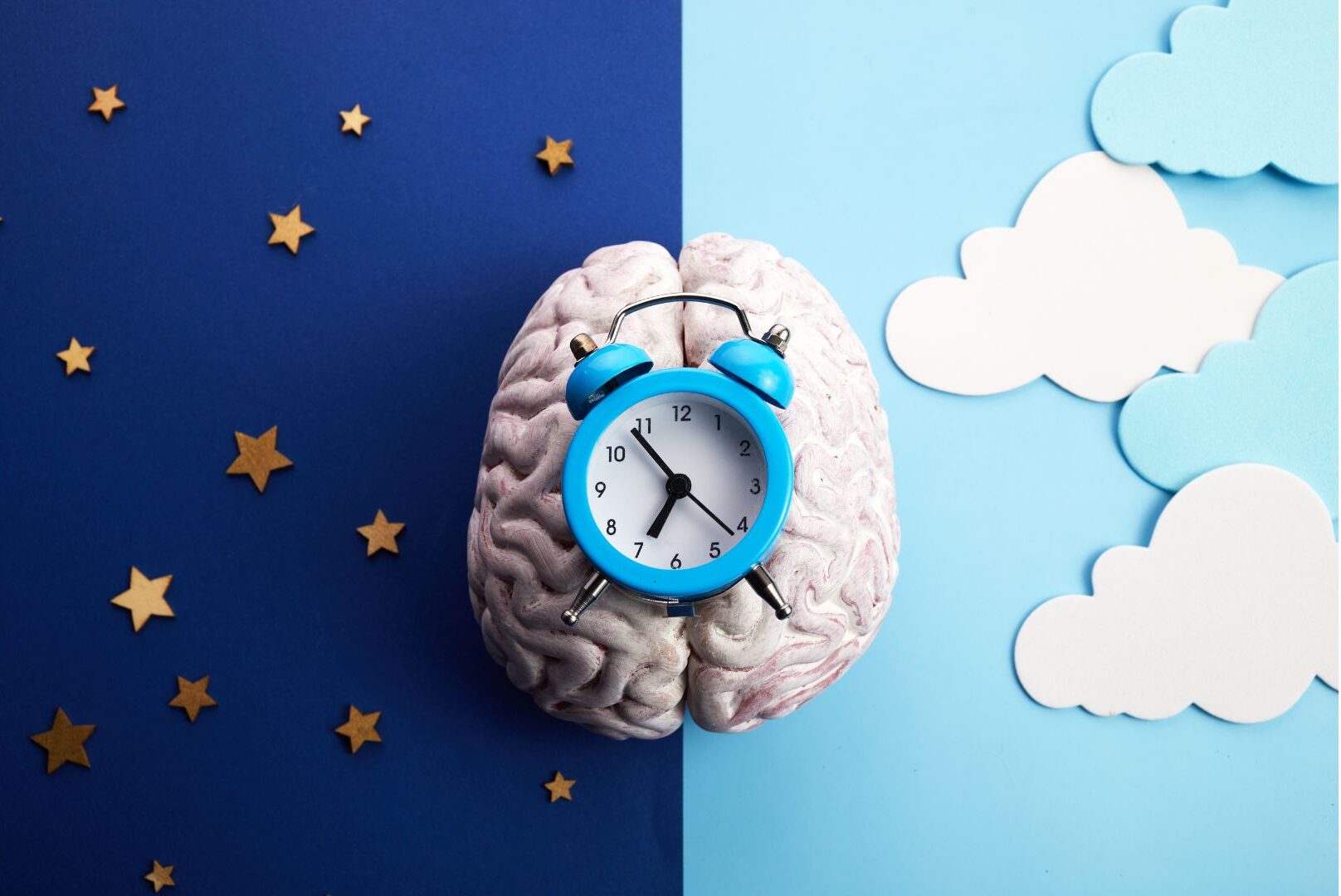
Your body runs on a 24-hour cycle called the circadian rhythm, which tells you when to feel awake and when to feel sleepy.
It’s influenced by:
- Light (natural sunlight in the morning helps you wake up, while darkness signals sleep).
- Hormones like melatonin and cortisol (melatonin rises at night to make you sleepy; cortisol keeps you alert in the morning).
- Your eating schedule (timing of meals can impact your body’s sleep-wake signals).
Sleep Stages: Why Deep Sleep Matters
When you sleep, your brain cycles through different stages:
- Light Sleep – The transition phase between wakefulness and deeper sleep.
- Deep Sleep – Where most physical restoration happens (muscle repair, immune function).
- REM Sleep – The stage responsible for dreaming, memory consolidation, and brain function.
If you’re waking up tired, you might not be spending enough time in deep or REM sleep, which can be impacted by stress, poor diet, or an irregular schedule.
Sleep Hormones: Melatonin, Serotonin & Cortisol
Several hormones control when you feel tired or alert:
- Melatonin – The “sleep hormone” that rises in the evening to help you fall asleep.
- Serotonin – A neurotransmitter that helps with relaxation and mood (it also converts into melatonin at night).
- Cortisol – A stress hormone that should be low at night for restful sleep (but high stress levels can keep it elevated).
Food plays a huge role in supporting these natural processes! Let’s look at how your diet can help you sleep better.
How Nutrition Impacts Sleep
Melatonin-Boosting Foods: Your Natural Sleep Aid
Melatonin is the hormone responsible for making you feel sleepy at night. Your body produces melatonin naturally, but certain foods can help increase your levels and promote a healthier sleep cycle.
- Tart cherries – One of the richest natural sources of melatonin. Drinking tart cherry juice or eating cherries before bed may help you fall asleep faster.
- Nuts (almonds, walnuts, pistachios) – Contain melatonin, as well as magnesium, which helps relax the nervous system.
- Oats and legumes – Support melatonin production while also providing fibre for stable blood sugar levels.
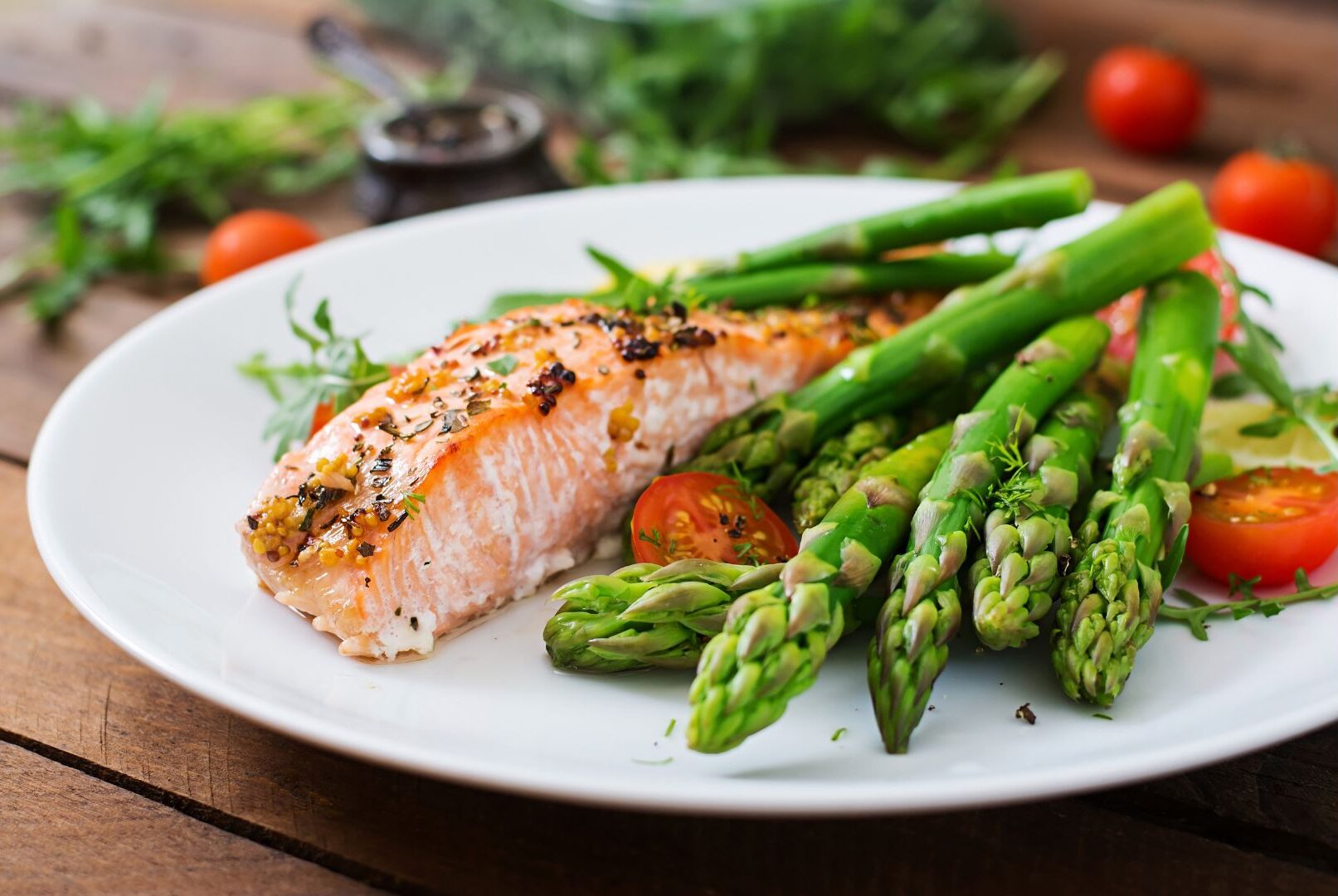
- Fatty fish (salmon, sardines, mackerel) – Rich in vitamin D and omega-3s, which regulate melatonin and support deep sleep.
Tip: A small handful of walnuts or a glass of tart cherry juice in the evening can be a simple way to naturally increase melatonin levels.
Serotonin & Tryptophan: The Mood-Sleep Connection
Serotonin is a feel-good neurotransmitter that also serves as a precursor to melatonin. The body converts serotonin into melatonin in the evening, helping to regulate sleep-wake cycles.
- Poultry (chicken, turkey) – High in tryptophan, an amino acid that helps boost serotonin levels.
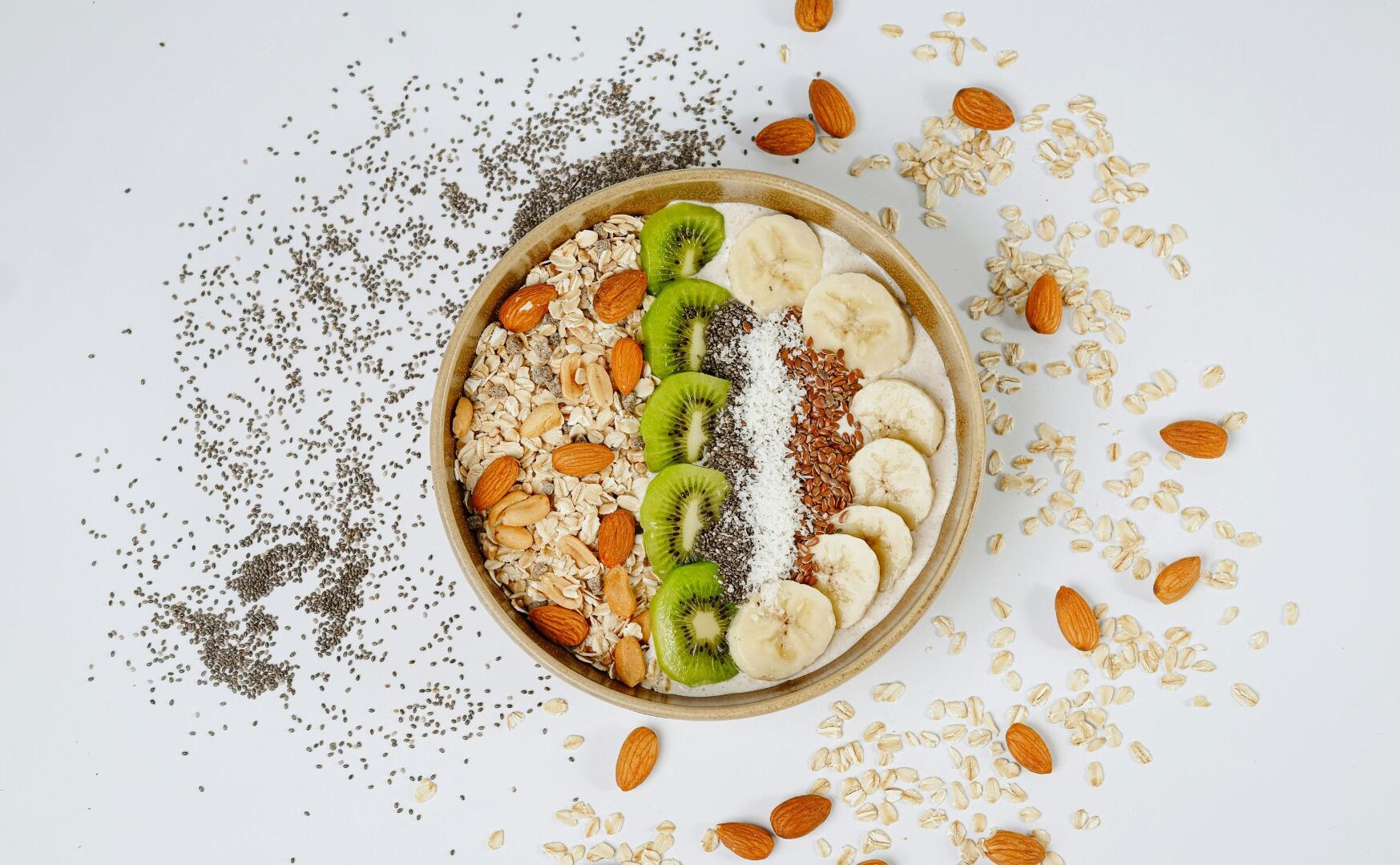
- Kiwi – A powerhouse fruit that not only contains serotonin but is also packed with antioxidants and vitamin C, which may help improve sleep quality.
- Chia seeds, flaxseeds, and pumpkin seeds – Excellent plant-based sources of tryptophan and healthy fats.
Tip: Try eating a kiwi or a handful of seeds as an evening snack to help promote serotonin production.
Omega-3 Fatty Acids: Inflammation & Circadian Rhythms
Chronic inflammation and disrupted circadian rhythms can interfere with sleep patterns. Omega-3 fatty acids, specifically EPA and DHA, help regulate inflammation and serotonin levels, leading to better sleep.
- Fatty fish (salmon, trout, mackerel) – Provides both omega-3s and vitamin D, which have been shown to improve sleep quality.
- Walnuts and flaxseeds – A great plant-based alternative for omega-3s.
Tip: Aim for at least two servings of fatty fish per week or add a sprinkle of flaxseeds to your meals.
The Role of Dairy: Calcium, Magnesium & Relaxation
Magnesium and calcium work together to help the body relax and transition into sleep. Low levels of these minerals have been linked to poor sleep quality and difficulty staying asleep.
- Milk, Greek yogurt, and cottage cheese – Contain calcium, magnesium, vitamin D, and melatonin, all of which support healthy sleep patterns.
Chamomile & turmeric milk teas – Chamomile contains apigenin, an antioxidant that promotes relaxation and reduces anxiety.
Tip: Try drinking a warm chamomile tea latte before bed for a natural wind-down ritual.
Fiber & Sleep: Stabilizing Blood Sugar for Restful Nights
A high-fiber diet is linked to better sleep quality, while a diet high in processed foods and sugar can lead to disrupted sleep due to blood sugar fluctuations.
- Whole grains (oats, quinoa, brown rice) – Slow-digesting carbohydrates that keep blood sugar levels stable.
- Legumes (chickpeas, lentils, beans) – Provide a mix of fibre, protein, and magnesium for sustained energy and relaxation.
- Fruits & vegetables – A natural source of fibre and antioxidants to reduce oxidative stress, which can impact sleep quality.
Tip: Swap out refined grains for whole grains and incorporate more fibre-rich plant foods into your daily meals.
Now that we’ve covered the best foods for sleep, let’s look at an easy, delicious recipe you can try tonight to naturally boost melatonin and promote relaxation.
Tart Cherry Mocktail Recipe: A Sleep-Friendly Nightcap
One of the easiest and most enjoyable ways to boost melatonin naturally is by sipping on a Tart Cherry Mocktail before bed. Tart cherries are one of the richest food sources of melatonin, and research shows that drinking tart cherry juice can help people fall asleep faster and stay asleep longer.
This refreshing, lightly sweet drink is the perfect evening wind-down beverage. It’s alcohol-free, hydrating, and packed with natural sleep-supporting compounds.

Tart Cherry Mocktail Recipe
Servings: 1
Prep Time: 5 minutes
Ingredients:
- ½ cup tart cherry juice
- ½ cup sparkling water
- 1 teaspoon maple syrup (optional, for sweetness)
- Ice cubes
- Optional Addins: A splash of lime or orange juice
Instructions:
- Fill a glass with ice cubes.
- Pour in the tart cherry juice and maple syrup, stirring gently to combine.
- Top with sparkling water for a light, bubbly finish.
- Add a splash of orange or fresh lime juice, if desired.
- Sip slowly and enjoy as part of your evening wind-down routine.
Why This Works for Sleep:
✔ Tart cherries contain natural melatonin to help regulate sleep cycles.
✔ Maple syrup (optional) provides a small amount of natural sugar, which can help with serotonin production.
✔ Hydration is key for overall well-being, and a non-caffeinated evening beverage supports relaxation.
Pro Tip: Drink this 30–60 minutes before bed to give your body time to absorb the melatonin and unwind.
Putting It All Together: A Week of Sleep-Supporting Meals
Eating for better sleep doesn’t have to be complicated. A balanced meal plan that incorporates melatonin-boosting, serotonin-enhancing, anti-inflammatory foods and blood sugar-balancing meals can help improve your sleep patterns naturally.
Some examples of sleep-friendly meals include:
- Breakfast: Kiwi & Walnut Overnight Oats – Packed with serotonin-boosting kiwi and omega-3-rich walnuts.
- Lunch: Salmon with Rice & Greens – A perfect combination of omega-3s, vitamin D, and whole grains.
- Dinner: Roasted Chicken, Veggies & Quinoa with Tahini Sauce – A tryptophan and fibre-rich meal for evening relaxation.
- Snack: Tart Cherry Mocktail – The refreshing, melatonin-rich drink described in the previous recipe.
By incorporating simple, whole-food meals like these, you can create a nutrition plan that supports better sleep, night after night.
Want to Sleep Better without the Guesswork?
Struggling with sleep? Let me take the guesswork out of it.
My 7-Day Sleep Support Meal Plan gives you:
✅ Scientifically backed meals that promote deep, restful sleep
✅ A done-for-you grocery list so you can skip the stress of meal planning
✅ Easy, delicious recipes designed to balance hormones & reduce inflammation
Ready to finally wake up feeling refreshed? Click here to get the 7-Day Sleep Support Meal Plan now!