
Why what you eat still matters—especially when you’re eating less.
This guide will walk you through how to eat for success while on the medication. We’ve combined the latest research with practical strategies to create a nutrition approach specifically designed to work with—not against—how these medications affect your body. Whether you’re just starting or have been taking GLP-1s for months, these evidence-based recommendations will help you optimize your results and feel your best.
When managing weight and blood sugar, GLP-1 medications like Ozempic, Wegovy, and Mounjaro have emerged as game-changers in modern medicine. With clinical studies showing average weight loss of 15-20% of body weight and dramatic improvements in glycemic control, it’s no wonder these medications have become increasingly popular among both patients and healthcare providers.
But here’s what many people don’t realize: while these medications are powerful tools, they’re not magic pills. The food choices you make while taking GLP-1s can significantly impact your results, comfort, and long-term health. In fact, with your appetite naturally reduced, the quality of what you eat becomes even more important than before.
GLP-1 medications can help you get started on the path to better health, but it’s your daily food choices that keep you moving forward.
The right nutritional approach can help you:
-
-
- Maximize fat loss while preserving precious muscle mass
- Minimize common side effects like nausea, constipation, and fatigue
- Ensure you’re getting essential nutrients even though you’re eating less
- Support sustainable results long after you’ve reached your goals
-
Let’s look into the science of why food choices matter so much, even when these powerful medications are doing a lot of the heavy lifting.
Why Food Matters When Using GLP-1s
To understand why your diet is important even when taking GLP-1 medications, it helps to first understand how these drugs actually work in your body.
How GLP-1 Medications Transform Your Metabolism
GLP-1 medications mimic a hormone naturally produced in your gut that regulates several key processes:
- They slow digestion: Food stays in your stomach longer, keeping you feeling full for extended periods and preventing spikes in blood sugar after meals.
- They reduce hunger signals: Your brain receives fewer “I’m hungry” messages, leading to naturally decreased appetite and fewer cravings, especially for sugary or high-calorie foods.
- They regulate blood sugar: These medications signal your pancreas to release insulin when blood sugar rises and prevent your liver from releasing excess glucose.
- They support fat metabolism: Research suggests GLP-1s may target fat tissue while helping preserve lean muscle mass, but only when protein intake is adequate.
While these effects make weight loss easier, they also create new nutritional considerations that many patients and even some healthcare providers overlook.
The Hidden Risks of Poor Nutrition on GLP-1s
When your appetite drastically decreases, it’s tempting to think, “I’m barely hungry, so it doesn’t matter what I eat.” But, in the long term, this mindset can create problems like:
- Nutrient deficiencies: Eating less overall means you need more nutrition in fewer calories. Without careful choices, deficiencies in protein, iron, B vitamins, and other essentials can develop surprisingly quickly.
- Muscle loss: Without adequate protein and proper exercise, up to 30% of weight loss could come from muscle tissue rather than fat, compromising your metabolism, strength, and long-term results.
- Energy crashes: Choosing processed foods or skipping meals entirely can worsen fatigue, which is already a common side effect during the adjustment period.
- Digestive discomfort: Since GLP-1s slow digestion, heavy or trigger foods can exacerbate nausea, bloating, and constipation.
The reality is that GLP-1 medications change your relationship with food, which can be both a positive and a negative. In the following sections, we’ll find out exactly how to take advantage of these changes with a nutrition plan specifically designed for your new metabolism.
The Benefits of Strategic Eating While Using GLP-1s
The right dietary approach can, however, improve your results in several important ways:
- Minimize side effects: Certain food choices and eating patterns can significantly minimize GI discomfort and other common side effects.
- Preserved muscle mass: Adequate protein intake (typically 25-30% of your diet) helps ensure you’re losing fat, not muscle.
- Sustained energy: Strategic timing and balancing of nutrients can help maintain energy levels throughout the day.
- Better long-term outcomes: Patients who develop sustainable, healthy eating patterns during treatment are more likely to maintain their results after reducing or stopping medication.
- Improved metabolic health: Beyond weight, the right food choices enhance improvements in cholesterol, blood pressure, and other markers of metabolic health.
What to Eat While Taking GLP-1 Medications
Now let’s get practical. Here’s what to eat to maximize your results and feel your best on the GLP-1 medications.
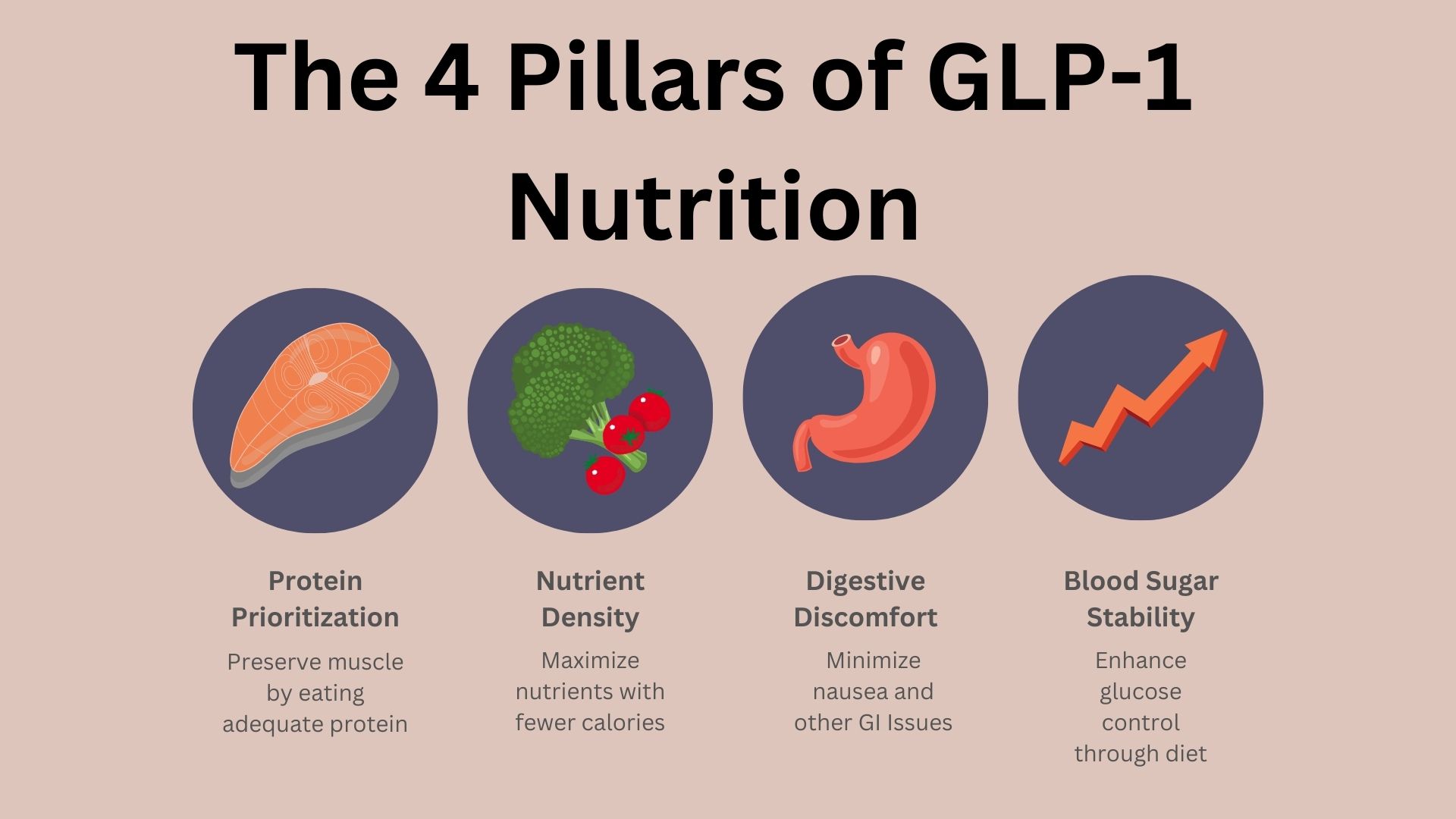
Building a Balanced Plate on GLP-1 Medications – PFF is your BFF
When it comes to eating well on GLP-1 medications, remember this simple formula: PFF is your BFF—that’s Protein, Fat, and Fibre.
This trio works together to keep you full, stabilize blood sugar, and support digestion—all essential when your appetite is lower and your digestion is slower. Building your meals around PFF helps you feel satisfied with less food, minimizes side effects like nausea or energy crashes, and supports steady, sustainable progress.
The traditional balanced plate recommendations need adjustment when taking GLP-1 medications. Consider this:
- Start with protein, making up about 40–50% of your plate. It’s the most important macronutrient for preserving muscle mass and promoting fullness.
- Then add non-starchy vegetables (25–30%) to provide fibre, vitamins, and minerals without overwhelming your digestion.
- Include a small portion of healthy fats (15–20%) like olive oil, avocado, or nuts to help with hormone support and absorption of key nutrients.
- Finally, finish with complex carbohydrates (10–15%), choosing fibre-rich options like lentils, quinoa, or sweet potato to give you sustained energy and support gut health.
Remember that this is a general framework—your specific needs may vary based on your medical conditions, activity level, and response to the medication.
GLP-1-Friendly Protein Sources to Preserve Muscle
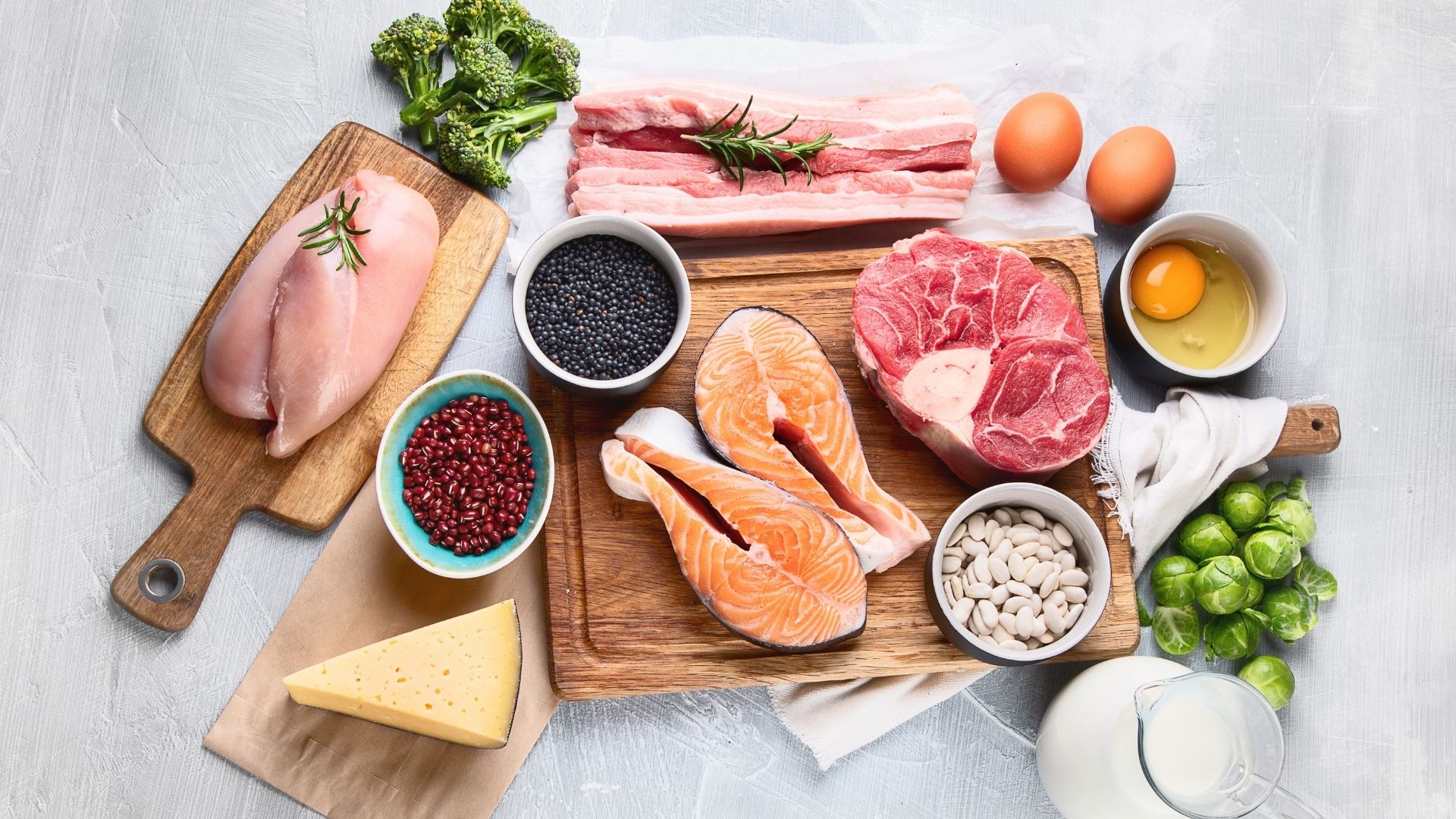
Protein becomes your most important macronutrient on GLP-1s. It preserves muscle, keeps you satisfied longer, and requires more energy to digest than other nutrients.
Best protein sources:
- Lean poultry (chicken breast, turkey)
- Fish and seafood (especially fatty fish like salmon)
- Egg whites (with some whole eggs for nutrients)
- Greek yogurt and cottage cheese
- Plant proteins (tofu, tempeh, legumes)
- Quality protein powders (whey, pea, or hemp)
Sample high-protein meals:
- Greek Chicken Power Bowl: Grilled chicken over quinoa with cucumber, tomatoes, olives, and tzatziki (28g protein)
- High-Protein Breakfast Jar: Overnight oats with Greek yogurt, protein powder, berries, and a tablespoon of almond butter (24g protein)
- Easy Salmon Packet: Parchment-baked salmon with asparagus, lemon, and herbs (30g protein)
Pro tip: Aim to include protein at every meal and snack, with 20-30g per main meal and 10-15g per snack for optimal muscle preservation.
Healthy Fats for Satiety and Hormone Health
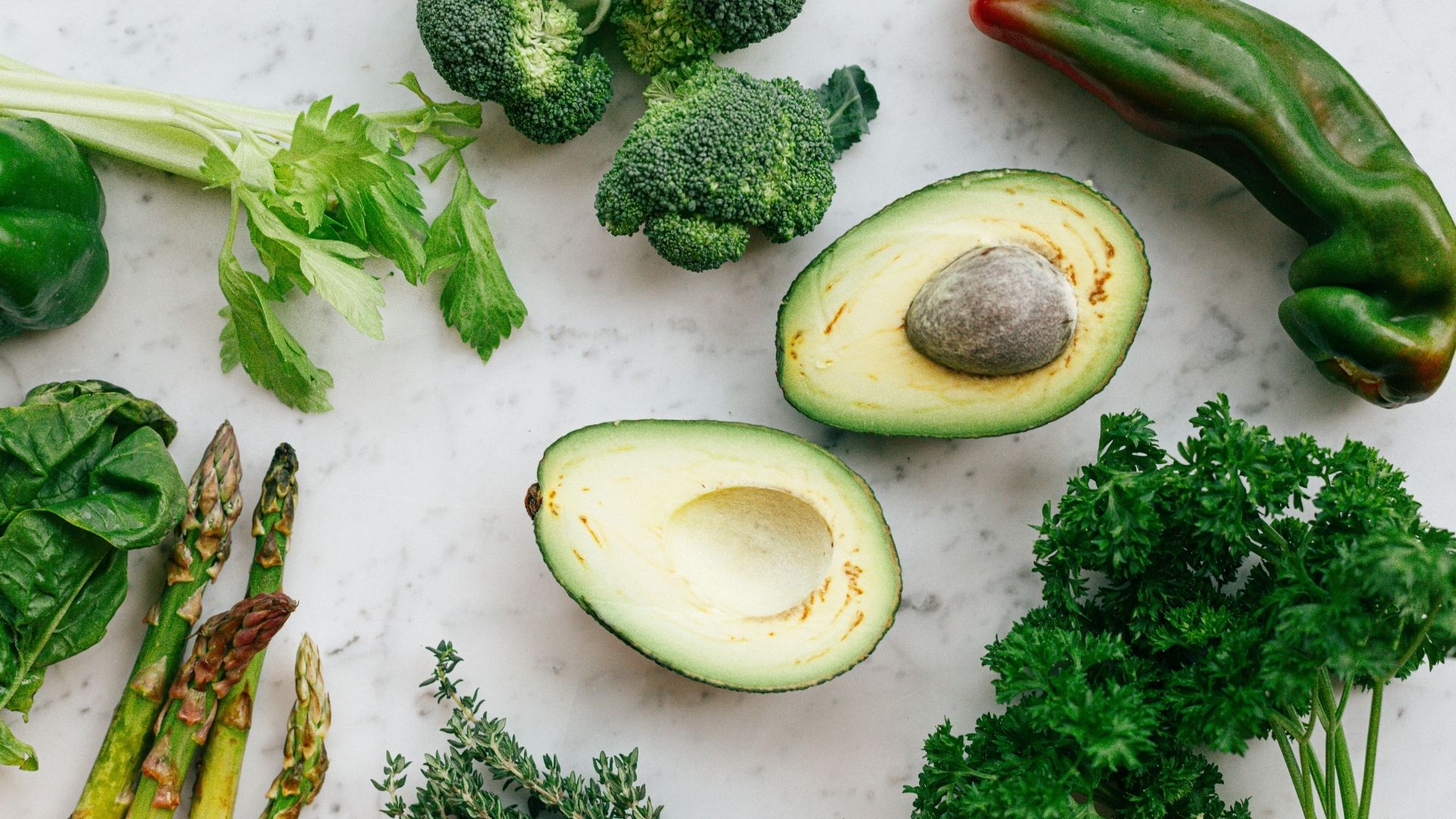
Quality fats are essential for hormone production, nutrient absorption, and cell health, especially when overall calories are reduced.
Best fat sources:
- Extra virgin olive oil
- Avocados
- Nuts and seeds (walnuts, chia, flax, almonds)
- Fatty fish (salmon, sardines, mackerel)
- Olives
- Limited amounts of coconut products
Ways to incorporate:
- Add 1/4 avocado to meals for creaminess
- Use olive oil-based dressings on salads
- Include 1-2 tablespoons of nuts or seeds as snacks or meal toppers
- Eat fatty fish 2-3 times weekly
Pro tip: While healthy fats are essential, they’re calorie-dense. Use measured portions (1-2 tablespoons) rather than unlimited amounts.
Fibre-Rich, Low-Glycemic Carbs
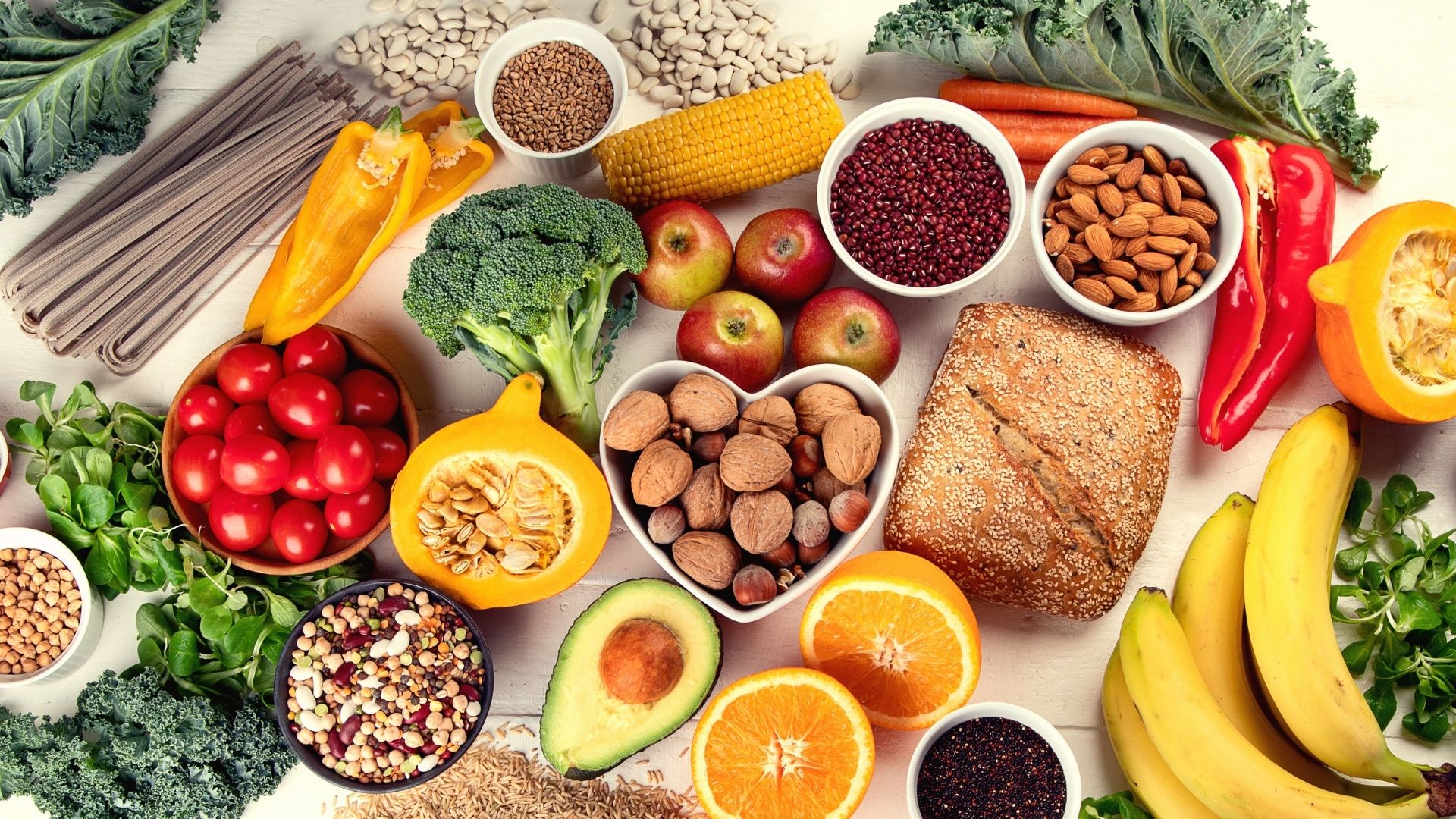
Not all carbohydrates are created equal. Focus on fibre-rich, slow-digesting carbs to keep blood sugar stable and digestion comfortable.
Best carbohydrate sources:
- Non-starchy vegetables (leafy greens, broccoli, cauliflower, zucchini)
- Moderate amounts of berries and lower-sugar fruits
- Legumes (lentils, chickpeas, black beans)
- Small portions of whole grains (quinoa, steel-cut oats, farro)
- Sweet potatoes and winter squash in moderation
Sample fibre-rich meals:
- Mediterranean Chickpea Bowl: Roasted chickpeas with vegetables, olive oil, and herbs over a small portion of quinoa (12g fibre)
- Berry Green Smoothie: Spinach, berries, protein powder, flax seeds, and unsweetened almond milk (9g fibre)
- Lentil Veggie Soup: Hearty soup with lentils and mixed vegetables (14g fibre)
Pro tip: Distribute fibre throughout the day rather than consuming too much at once, which can cause discomfort with slowed digestion.

Small Meals, Big Impact
Even with reduced appetite, your body still needs quality fuel, and what you choose to eat can make all the difference in how you feel on GLP-1 medications. By focusing on protein, fibre and healthy fats, you’re not just supporting weight loss—you’re protecting your muscle mass, balancing your blood sugar, and setting yourself up for long-term success.
In Part 2, we’ll dive into the rest of the picture:
-
How to support digestion
-
What to avoid
-
Meal timing strategies
-
And how to pull it all together with a complete 7-Day (or 21-Day) GLP-1 Support Meal Plan
Want a simpler way to nourish your body and feel your best?
Click here to get the meal plan now or Keep reading Part 2 for more practical tips.
References
GLP-1 Medication Effectiveness & Mechanisms
- Wilding JPH, Batterham RL, Calanna S, et al. Once-Weekly Semaglutide in Adults with Overweight or Obesity. N Engl J Med. 2021;384(11):989-1002. doi:10.1056/NEJMoa2032183
- Jastreboff AM, Aronne LJ, Ahmad NN, et al. Tirzepatide Once Weekly for the Treatment of Obesity. N Engl J Med. 2022;387(3):205-216. doi:10.1056/NEJMoa2206038
- Müller TD, Finan B, Bloom SR, et al. Glucagon-like peptide 1 (GLP-1). Mol Metab. 2019;30:72-130. doi:10.1016/j.molmet.2019.09.01
- Blundell J, Finlayson G, Axelsen M, et al. Effects of once-weekly semaglutide on appetite, energy intake, control of eating, food preference and body weight in subjects with obesity. Diabetes Obes Metab. 2017;19(9):1242-1251. doi:10.1111/dom.12932
Muscle Preservation & Protein Needs
- Koliaki C, Liatis S, le Roux CW, Kokkinos A. The role of bariatric surgery to treat diabetes: current challenges and perspectives. BMC Endocr Disord. 2017;17(1):50. doi:10.1186/s12902-017-0202-6
- Lundgren JR, Janus C, Jensen SBK, et al. Healthy Weight Loss Maintenance with Exercise, Liraglutide, or Both Combined. N Engl J Med. 2021;384(18):1719-1730. doi:10.1056/NEJMoa2028198
- Stokes T, Hector AJ, Morton RW, McGlory C, Phillips SM. Recent Perspectives Regarding the Role of Dietary Protein for the Promotion of Muscle Hypertrophy with Resistance Exercise Training. Nutrients. 2018;10(2):180. doi:10.3390/nu10020180
- Carbone JW, Pasiakos SM. Dietary Protein and Muscle Mass: Translating Science to Application and Health Benefit. Nutrients. 2019;11(5):1136. doi:10.3390/nu11051136
Nutritional Considerations & Side Effect Management
- Brown E, Wilding JPH, Barber TM, Alam U, Cuthbertson DJ. Weight loss variability with SGLT2 inhibitors and GLP-1 receptor agonists in type 2 diabetes mellitus and obesity: Mechanistic possibilities. Obes Rev. 2019;20(6):816-828. doi:10.1111/obr.12841
- Blundell J, Finlayson G, Axelsen M, et al. Effects of once-weekly semaglutide on appetite, energy intake, control of eating, food preference and body weight in subjects with obesity. Diabetes Obes Metab. 2017;19(9):1242-1251. doi:10.1111/dom.12932
- Garvey WT, Mechanick JI, Brett EM, et al. American Association of Clinical Endocrinologists and American College of Endocrinology Comprehensive Clinical Practice Guidelines for Medical Care of Patients with Obesity. Endocr Pract. 2016;22 Suppl 3:1-203. doi:10.4158/EP161365.GL
- Rosenthal N, Deligiannidis KM, Freeman MP, et al. Starvation ketoacidosis due to the incretin mimetic semaglutide in a patient with type 2 diabetes. J Clin Psychopharmacol. 2022;42(3):331-332. doi:10.1097/JCP.0000000000001553
Gastrointestinal Side Effects & Management
- Bettge K, Kahle M, Abd El Aziz MS, Meier JJ, Nauck MA. Occurrence of nausea, vomiting and diarrhoea reported as adverse events in clinical trials studying glucagon-like peptide-1 receptor agonists: A systematic analysis of published clinical trials. Diabetes Obes Metab. 2017;19(3):336-347. doi:10.1111/dom.12824
- Nauck MA, Meier JJ. Management of endocrine disease: Are all GLP-1 agonists equal in the treatment of type 2 diabetes? Eur J Endocrinol. 2019;181(6):R211-R234. doi:10.1530/EJE-19-0566
- Trujillo JM, Nuffer W, Ellis SL. GLP-1 receptor agonists: a review of head-to-head clinical studies. Ther Adv Endocrinol Metab. 2015;6(1):19-28. doi:10.1177/2042018814559725
Low-Glycemic, Higher Fibre Diets
- Rebello CJ, O’Neil CE, Greenway FL. Dietary fiber and satiety: the effects of oats on satiety. Nutr Rev. 2016;74(2):131-147. doi:10.1093/nutrit/nuv063
- Ebbeling CB, Feldman HA, Klein GL, et al. Effects of a low carbohydrate diet on energy expenditure during weight loss maintenance: randomized trial. BMJ. 2018;363:k4583. doi:10.1136/bmj.k4583
- Reynolds A, Mann J, Cummings J, Winter N, Mete E, Te Morenga L. Carbohydrate quality and human health: a series of systematic reviews and meta-analyses. Lancet. 2019;393(10170):434-445. doi:10.1016/S0140-6736(18)31809-9
Gut Health & Microbiome
- Zhao L, Zhang F, Ding X, et al. Gut bacteria selectively promoted by dietary fibers alleviate type 2 diabetes. Science. 2018;359(6380):1151-1156. doi:10.1126/science.aao5774
- Grasset E, Puel A, Charpentier J, et al. A Specific Gut Microbiota Dysbiosis of Type 2 Diabetic Mice Induces GLP-1 Resistance through an Enteric NO-Dependent and Gut-Brain Axis Mechanism. Cell Metab. 2017;25(5):1075-1090.e5. doi:10.1016/j.cmet.2017.04.013
Hydration & Health
- Thornton SN. Increased Hydration Can Be Associated with Weight Loss. Front Nutr. 2016;3:18. doi:10.3389/fnut.2016.00018
- Stookey JD. Negative, Null and Beneficial Effects of Drinking Water on Energy Intake, Energy Expenditure, Fat Oxidation and Weight Change in Randomized Trials: A Qualitative Review. Nutrients. 2016;8(1):19. doi:10.3390/nu8010019